Get Your Custom Quote

Online Inquiry

MoA Profiling Service

Comprehensive mass spectrometry-based mechanism of action (MoA) profiling platform for drug discovery — integrating phosphoproteomics and kinase activity profiling, thermal proteome profiling (TPP), and interaction proteomics (AP-MS) to systematically decode drug-target engagement, signaling pathway modulation, and cellular response networks. Whether characterising kinase inhibitor selectivity, deconvoluting phenotypic screening hits, or identifying combination therapy opportunities, our platform delivers proteome-wide mechanistic data with quantitative confidence to guide medicinal chemistry, support target validation, and inform preclinical candidate selection.

Research Use Only (RUO) Notice: All services and data provided are strictly for non-clinical research purposes. Our analytical results are not intended for clinical diagnosis, patient management, or therapeutic decision-making.

Services Technologies Demo Case Study FAQ Related Services

CORE SERVICE

Integrated Proteome-Wide Mechanism of Action Profiling

Understanding precisely how a drug candidate engages its target, modulates cellular signalling networks, and affects the wider proteome is fundamental to successful drug discovery. Traditional single-target assays provide limited mechanistic depth, often missing compensatory pathway activation, off-target pharmacology, or polypharmacology that may determine preclinical advancement outcomes. Our MoA Profiling service deploys three complementary mass spectrometry-based platforms — phosphoproteomics and kinase activity profiling, thermal proteome profiling (TPP), and interaction proteomics (AP-MS) — to deliver a comprehensive, systems-level view of drug mechanism from direct target engagement through downstream pathway effects.

  • Phosphoproteomics & Kinase Activity Profiling: Quantitative phosphoproteomics with TiO2/IMAC enrichment identifies thousands of regulated phosphorylation sites upon drug treatment. Kinase-substrate enrichment analysis and kinase activity inference algorithms translate phosphosite-level changes into pathway-level mechanistic understanding, revealing on-target pathway modulation, compensatory signalling, and resistance mechanisms. SILAC-based or label-free quantification with FDR-controlled statistics ensures high-confidence phosphosite assignment.
  • Thermal Proteome Profiling (TPP): Multiplexed TMT-based TPP detects drug-induced changes in protein thermal stability across the proteome, providing direct biophysical evidence of target engagement in cellular context without requiring chemical modification of the drug. Ten-temperature gradient profiling with melt-curve fitting and ΔTm quantification for 6,000–8,000 proteins identifies both the intended target and additional proteins stabilised or destabilised by drug treatment.
  • Interaction Proteomics (AP-MS): Affinity purification coupled with LC-MS/MS identifies drug-induced changes in protein-protein interaction networks. Antibody-based or epitope-tag pull-down of the target protein followed by quantitative proteomics distinguishes specific interactors from background, revealing drug-dependent complex assembly, disassembly, or recruitment that informs mechanism and potential toxicity.
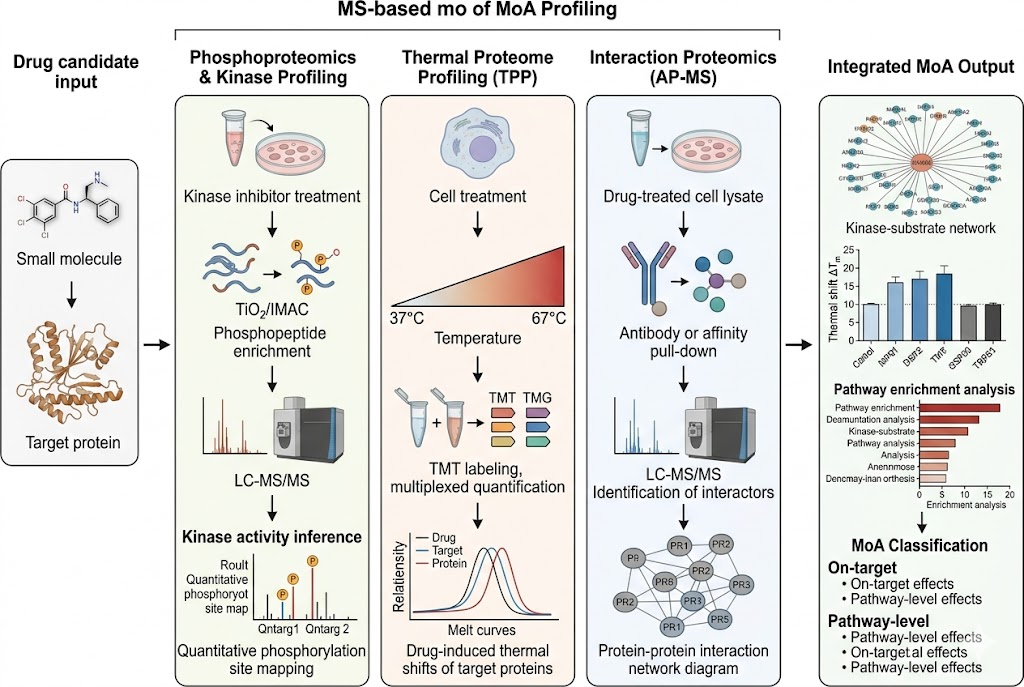
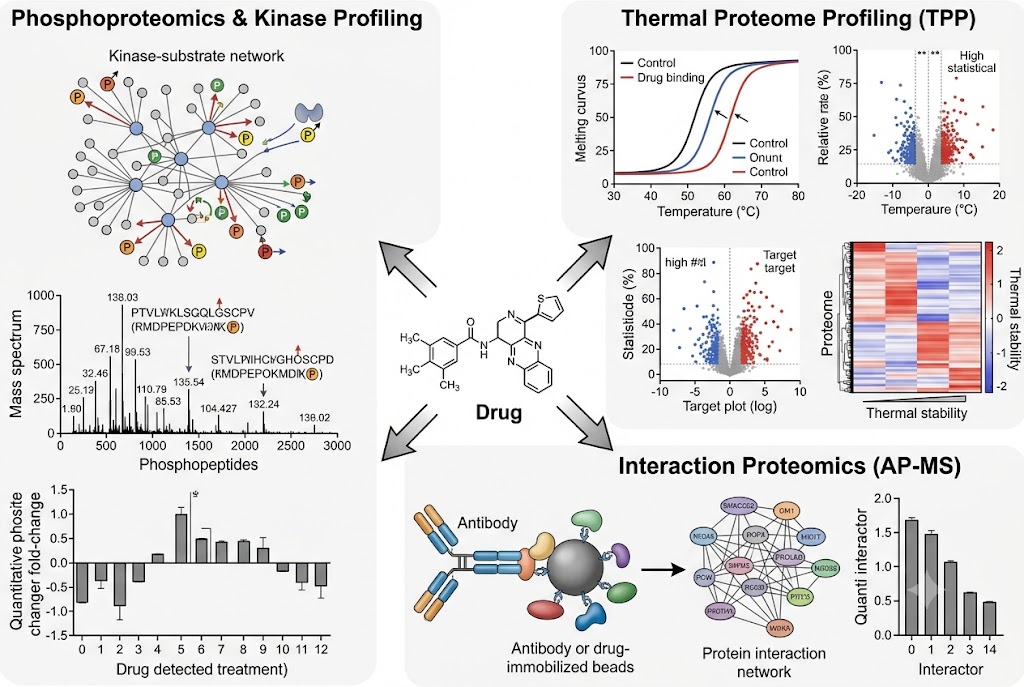
MoA profiling workflow showing three parallel MS-based approaches: phosphoproteomics and kinase profiling, thermal proteome profiling, and interaction proteomics for comprehensive drug mechanism of action analysis

Integrated MoA profiling platform: three complementary MS-based approaches for comprehensive drug mechanism characterisation.

Understanding MoA Profiling in Drug Discovery

Mechanism of action studies address a fundamental question in drug discovery: how does a compound produce its biological effect? The answer is rarely limited to a single target interaction. A drug may bind its intended target with high affinity while also engaging related family members, modulating downstream signalling pathways, inducing adaptive cellular responses, or re-wiring protein interaction networks. Comprehensive MoA profiling provides the experimental evidence needed to distinguish intended pharmacology from off-target effects, identify the most therapeutically relevant pathways, and guide medicinal chemistry optimisation from a mechanism-informed perspective.

Mass spectrometry has become the platform of choice for systems-level MoA profiling because it delivers unbiased, proteome-wide readouts across multiple dimensions of drug action — from direct target binding to pathway-level signalling responses. For researchers beginning with broader target deconvolution investigations, our Chemoproteomics platform provides complementary workflows for activity-based protein profiling, while the dedicated Target Validation Proteomics service offers deeper integration of orthogonal validation approaches for confirmed targets.

Technology integration diagram showing three MoA profiling methods: phosphoproteomics and kinase profiling, TPP thermal profiling, and interaction proteomics around a central drug molecule

Three-pillar technology integration: phosphoproteomics, TPP, and interaction proteomics provide orthogonal MoA detection strategies.

Our MoA Profiling Platforms

Each platform addresses distinct dimensions of drug mechanism. The optimal strategy — or combination of strategies — depends on your compound's modality, the biological questions to be answered, and the depth of mechanistic evidence required for your preclinical advancement stage.

Phosphoproteomics & Kinase Profiling

Best for: Kinase inhibitors, signalling pathway modulators, and compounds where downstream pathway effects need to be characterised. Quantitative phosphoproteomics captures drug-induced changes in phosphorylation at thousands of sites across the proteome. Kinase activity inference algorithms (KSEA, VESPA) translate phosphosite regulation into predicted kinase and phosphatase activity changes, revealing which pathways are activated, inhibited, or subject to compensatory rewiring upon drug treatment. Time-course phosphoproteomics can further distinguish immediate target engagement effects from adaptive resistance mechanisms that emerge over hours to days.

Thermal Proteome Profiling (TPP)

Best for: Any drug modality — covalent, non-covalent, stabilising or destabilising ligands — where direct target engagement evidence is required. TPP detects drug-induced changes in protein thermal stability in live cells or lysates without requiring chemical modification of the drug, providing unbiased, proteome-wide evidence of which proteins are directly bound. Multiplexed TMT acquisition enables 10- or 16-condition comparisons in a single experiment, with melt-curve fitting, ΔTm quantification, and FDR-controlled hit calling. For deeper TPP methodology and study design options, refer to our Thermal Proteome Profiling service page.

Interaction Proteomics (AP-MS)

Best for: Target deconvolution, protein complex analysis, and characterising drug-induced changes in protein interaction networks. Affinity purification of the target protein (using validated antibodies, epitope tags, or BioID proximity labelling) followed by quantitative LC-MS/MS identifies specific interacting proteins and reveals how drug treatment alters complex composition. Label-free quantification or SILAC-based ratios distinguish specific interactors from background binding, while network analysis places interactors in functional pathways relevant to drug mechanism. The integration of interaction data with phosphoproteomic and thermal profiling results provides the most complete mechanistic picture.

Workflow Overview

Step 1 — Study Design & Platform Selection: We review your compound's properties, target hypothesis, and MoA questions to select the optimal profiling platform(s) and experimental design. Considerations include compound modality (covalent/non-covalent), cell permeability, expected pathway engagement, and whether the study requires time-course or dose-response dimensions.

Step 2 — Sample Preparation & Mass Spectrometry Acquisition: For phosphoproteomics: live-cell treatment, protein extraction, reduction/alkylation, digestion, phosphopeptide enrichment (TiO2/IMAC), and LC-MS/MS on Orbitrap platforms. For TPP: live-cell treatment, temperature gradient fractionation (37–67 °C), TMT labelling, and multiplexed LC-MS/MS. For AP-MS: cell lysis under native conditions, affinity purification, on-bead digestion, and LC-MS/MS. All workflows include appropriate controls and quality standards.

Step 3 — Data Processing & Multi-Omics Integration: Raw MS data are processed through platform-specific pipelines. Phosphoproteomics data: MaxQuant or Spectronaut for identification and quantification, with FDR-controlled filtering. Kinase activity inference: KSEA or similar algorithms for predicting kinase/phosphatase activity from phosphosite regulation. TPP data: melt-curve fitting with Tm and ΔTm calculation, FDR-controlled significance calling. AP-MS data: label-free or SILAC-based quantification with statistical filtering against negative controls.

Step 4 — Pathway Analysis & Mechanistic Interpretation: Regulated phosphosites, thermally stabilised proteins, and differential interactors are integrated through pathway enrichment analysis (Reactome, KEGG, GO) to identify concordant biological themes. Cross-platform concordance is assessed to distinguish direct target engagement from downstream signalling effects. Combination with our Off-Target Profiling service enables comprehensive differentiation of on-target pharmacology from off-target interactions.

Step 5 — Integrated MoA Report: Deliverables include platform-specific quantitative datasets (regulated phosphosites with fold-changes and kinase predictions, TPP ΔTm values with significance calls, AP-MS interactor lists with confidence metrics), integrated pathway and network visualisations, a structured MoA summary table with cross-platform evidence ratings, and a comprehensive methods section suitable for publication support and preclinical documentation.

Platform Selection: Choosing the Right MoA Profiling Strategy

The choice of profiling platform depends primarily on the drug modality and the specific mechanism-of-action questions that need to be addressed. Each platform captures a distinct dimension of drug action, and the most informative MoA studies often combine two or more approaches to build a complete mechanistic picture.

Phosphoproteomics and kinase activity profiling is the method of choice for kinase inhibitors, targeted signalling modulators, and any compound where understanding pathway-level effects is critical. By quantifying thousands of phosphorylation sites and inferring kinase activity changes, this approach reveals not only whether the intended pathway is engaged but also whether compensatory or resistance pathways are activated — information that can directly inform combination therapy strategies.

Thermal Proteome Profiling is the most broadly applicable approach, compatible with any drug modality without requiring chemical modification. TPP provides direct biophysical evidence of protein binding in cellular context, making it the ideal first-line approach for target engagement confirmation and for identifying unexpected off-target interactions that may contribute to pharmacology or toxicity. TPP data also complements phosphoproteomics findings by distinguishing direct targets from downstream signalling effects.

Interaction proteomics provides a unique third dimension by revealing how drug treatment alters the interaction network of the target protein and its pathway neighbours, identifying changes in complex composition, post-translational modification-dependent interactions, and recruitment of downstream effectors that may be critical for therapeutic efficacy. For comprehensive MoA programmes requiring all three dimensions, our integrated workflow combines enrichment strategies from our Chemoproteomics and Target Validation Proteomics platforms into a unified experimental design.

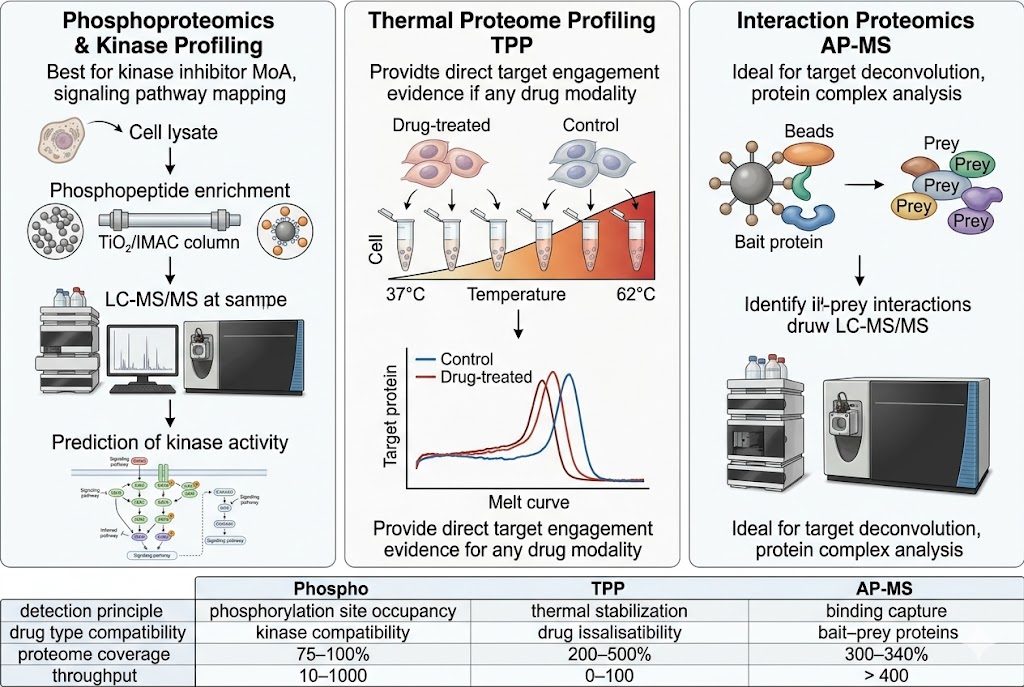
Side-by-side comparison of three MoA profiling platforms: phosphoproteomics and kinase profiling, thermal proteome profiling, and interaction proteomics approaches

Platform comparison: phosphoproteomics, TPP, and interaction proteomics — selection by drug modality and MoA profiling objectives.

Sample Requirements & Submission Guidelines

Platform Sample Type Recommended Input Notes
Phosphoproteomics Cultured cells (live or snap-frozen pellet) 2–5 mg total protein per condition TiO2 or IMAC enrichment; SILAC or label-free quantification; triplicate biological replicates recommended
Phosphoproteomics Tissue lysate 5–10 mg total protein Flash-frozen tissue recommended; phosphotyrosine enrichment available on request
TPP Live cultured cells 10–15 × 10⁶ cells per condition 10-temperature gradient (37–67 °C); TMT 10-plex or 16-plex; triplicate biological replicates recommended
TPP Fresh tissue / primary cells 20–50 mg tissue or 5–10 × 10⁶ primary cells Viability maintenance during compound treatment required; feasibility assessment recommended
AP-MS Cell lysate (native, non-denaturing buffer) 2–5 mg total protein per pull-down Target-specific antibody or epitope tag required; buffer conditions must maintain native protein interactions
AP-MS Tissue lysate (native) 5–10 mg total protein Lysis optimisation may be required for efficient target extraction; contact for feasibility assessment

All platforms require compound characterisation data (structure, solubility, cell permeability, target information) before study initiation. Time-course and dose-response study designs are supported across all platforms. For compounds where limited material is available or non-standard study designs are required, please contact us for feasibility assessment and custom workflow options.

Representative Data & Platform Performance

Below are representative examples of MoA profiling data outputs from each of our three platform technologies.

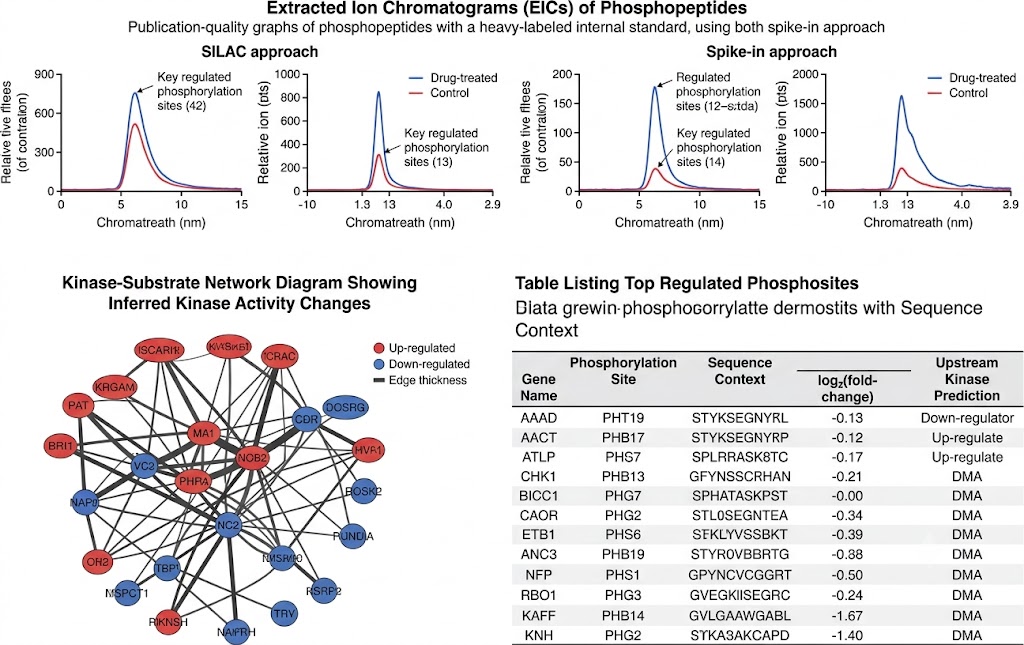
Phosphoproteomics kinase profiling data showing regulated phosphosites, kinase activity inference, and pathway enrichment results

Phosphoproteomics kinase activity profiling: regulated phosphosites across treatment conditions, kinase-substrate network with inferred activity changes, and quantified phosphosite table with upstream kinase predictions.

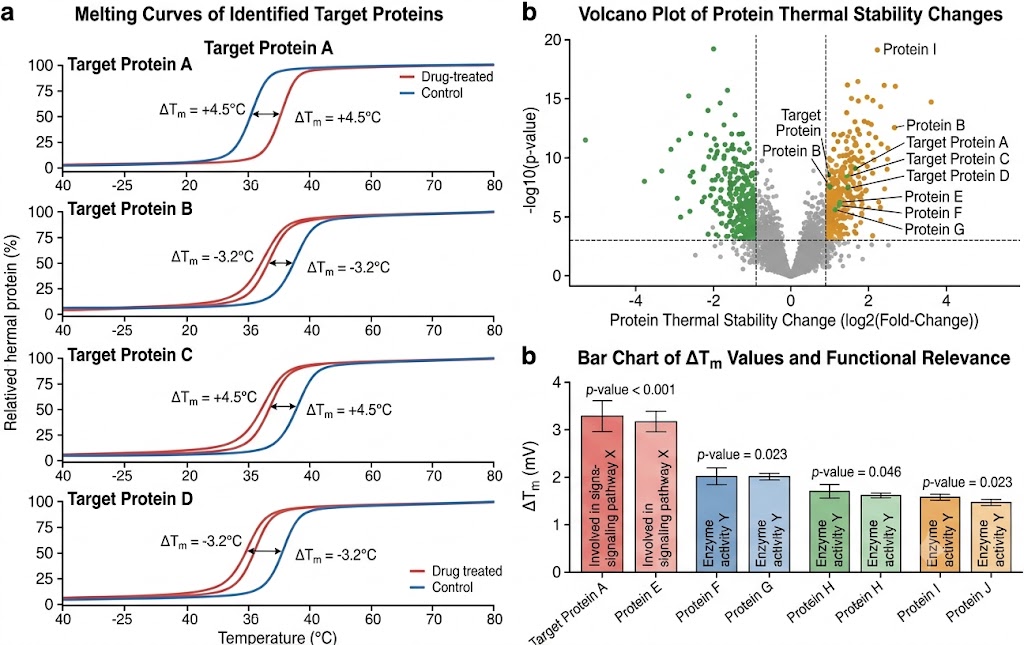
TPP thermal shift data showing melt curves for target proteins and proteome-wide thermal stability changes upon drug treatment

TPP thermal profiling: melting curves distinguishing target engagement in drug-treated vs control conditions, with proteome-wide ΔTm heatmap and significance-ranked target identification.

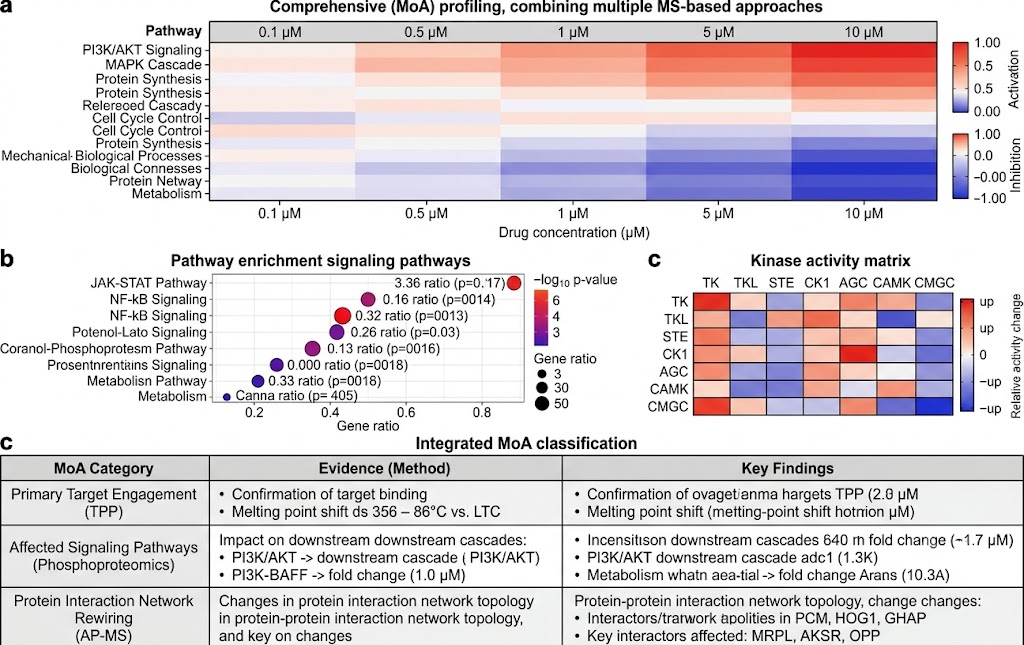
Integrated MoA profiling summary showing multi-platform heatmap, pathway enrichment, and MoA classification results

Integrated MoA summary: cross-platform data integration combining phosphoproteomics pathway enrichment, TPP target engagement confirmation, and AP-MS interaction network analysis into a unified mechanistic model.

CASE STUDY

Spike-In Enhanced Phosphoproteomics Reveals Synergistic Signalling Responses to MEK Inhibition in Colorectal Cancer

van Bentum et al. 2025 | Nat Commun | CC BY 4.0

Background & Purpose

MEK inhibitors are clinically approved for selected cancers, but primary and acquired resistance limits their therapeutic efficacy in colorectal cancer (CRC). Understanding the adaptive signalling responses that occur upon MEK inhibition is critical for identifying rational combination therapy strategies that can overcome resistance. Van Bentum et al. addressed this challenge by developing SPIED-DIA (Spike-In Enhanced Detection in Data-Independent Acquisition), a phosphoproteomic method that combines DIA mass spectrometry with spiked-in heavy stable isotope-labeled synthetic phosphopeptides to improve detection sensitivity for low-abundance signalling phosphosites, and applied this approach to characterise the phosphoproteomic response to MEK inhibition in CRC cells.

Methods

HCT116 colorectal cancer cells were treated with a MEK inhibitor, with or without growth factor stimulation, and phosphoproteomic analysis was performed using SPIED-DIA. Heavy stable isotope-labeled synthetic phosphopeptides corresponding to key signalling nodes were spiked into each sample as internal standards, enabling confident identification and quantification of low-abundance phosphorylation sites that are typically missed by standard DIA workflows. Quantitative phosphoproteomic data were analysed to identify regulated phosphosites, and kinase-substrate enrichment analysis was used to infer pathway-level signalling changes across treatment conditions.

Results Overview

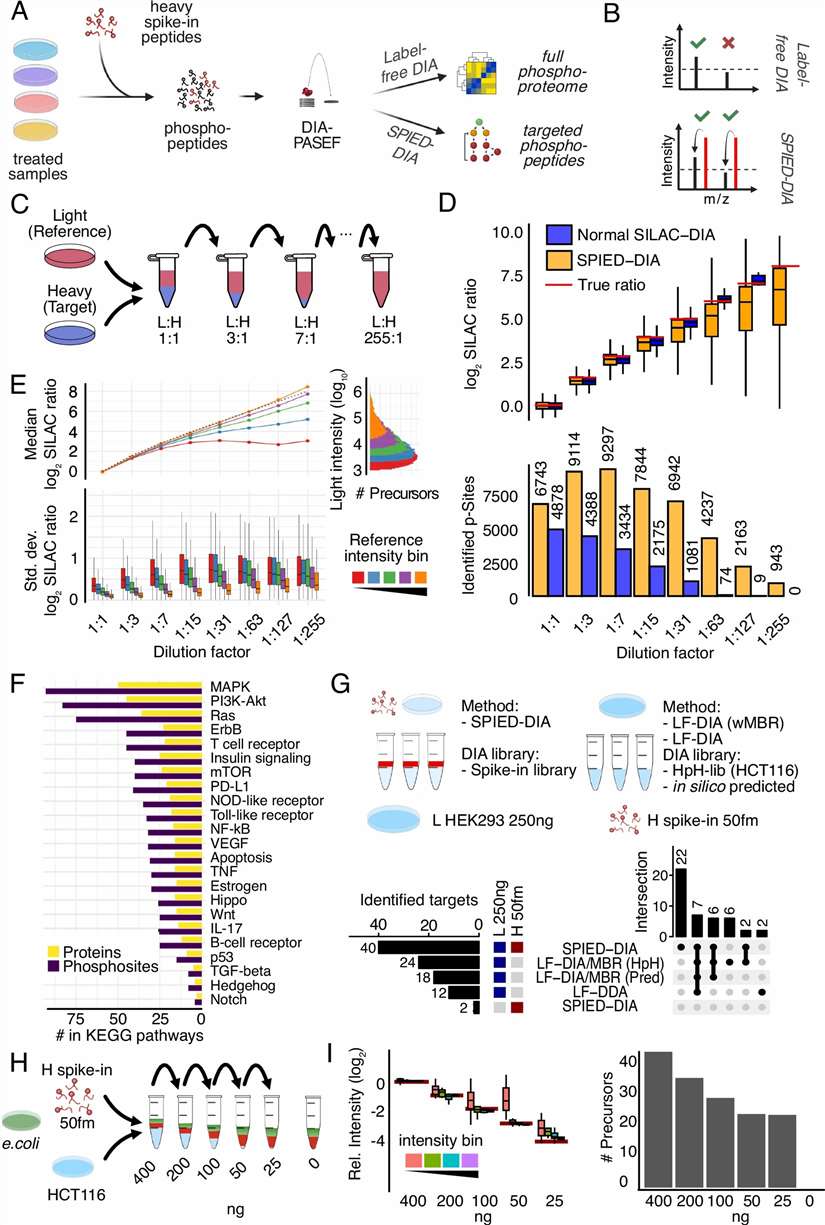
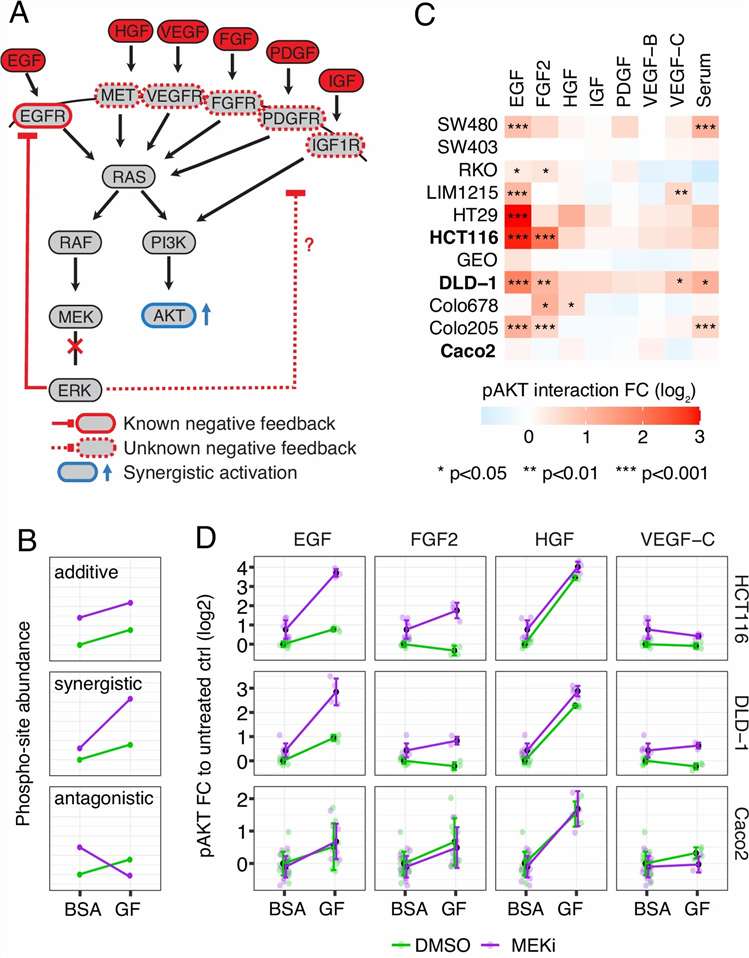
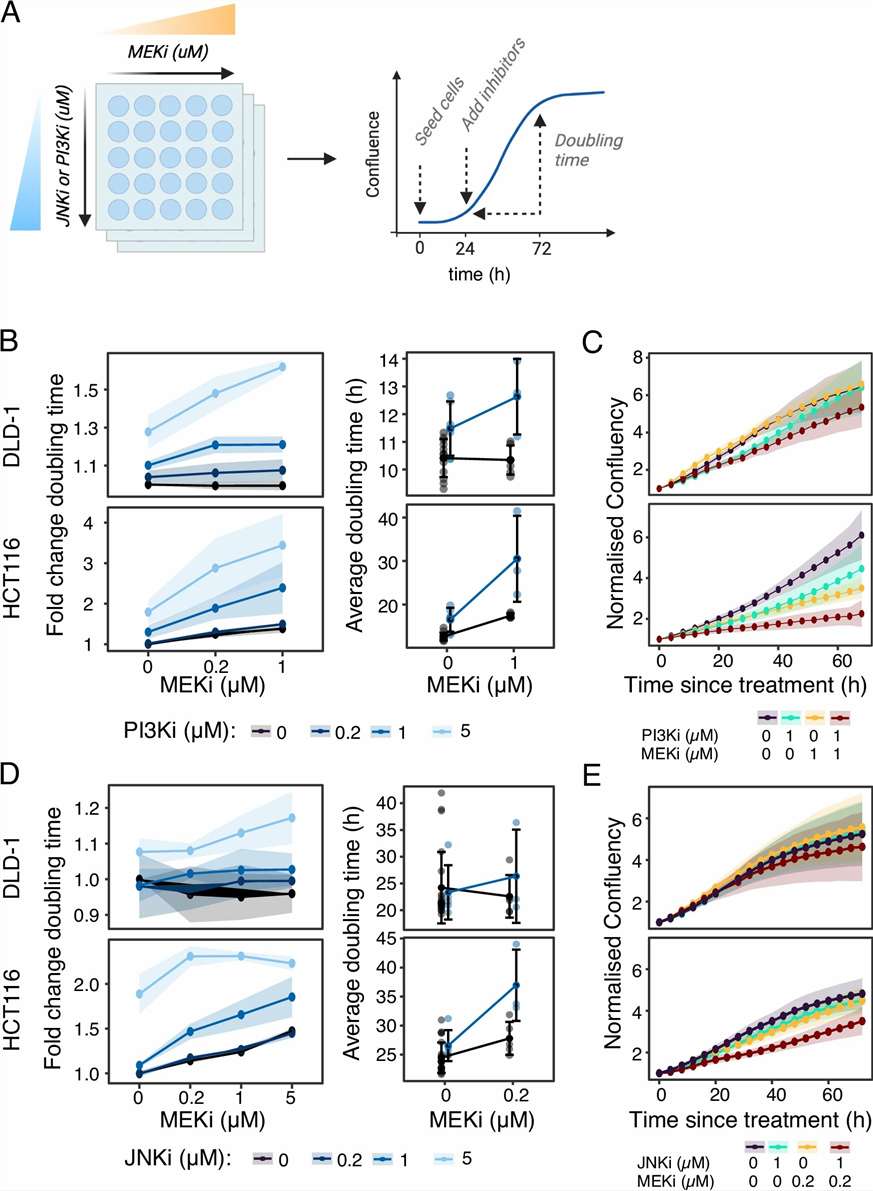
The SPIED-DIA approach improved phosphosite detection sensitivity up to three-fold compared to standard DIA, particularly for low-abundance signalling phosphopeptides. Applied to MEK inhibition, the method revealed that combined MEK inhibition and growth factor stimulation synergistically activates JNK signalling in HCT116 cells — a compensatory pathway response that is not observed with MEK inhibition alone. Functional validation confirmed that combinatorial treatment with MEK and JNK inhibitors synergistically impaired CRC cell growth, demonstrating that phosphoproteomics-derived mechanistic insight can directly inform combination therapy strategies. SPIED-DIA phosphoproteomics provides a sensitive and generic tool for uncovering drug mechanism of action and adaptive resistance pathways at the signalling pathway level.

SPIED-DIA phosphoproteomics workflow showing spike-in of heavy labeled phosphopeptide standards with DIA-MS acquisition for drug MoA profiling

SPIED-DIA phosphoproteomics workflow: heavy-labeled synthetic phosphopeptide spike-in strategy combined with DIA-MS enables sensitive detection of drug-regulated signalling phosphosites for MoA profiling. (Data representative of van Bentum et al. 2025, CC BY 4.0)

MEK inhibition phosphoproteomic response data showing regulated phosphosite heatmap, JNK pathway activation, and compensatory signaling model

Phosphoproteomic response to MEK inhibition: regulated phosphosite heatmap across treatment conditions, synergistic JNK pathway activation upon combined MEK inhibition and growth factor stimulation, and proposed compensatory signalling model. (Data representative of van Bentum et al. 2025, CC BY 4.0)

Integrated MoA model showing MEK inhibitor adaptive resistance through JNK pathway activation and therapeutic strategy of combined MEK and JNK inhibition

Integrated MoA model: MEK inhibitor treatment induces adaptive resistance through JNK pathway reactivation, and dual MEK+JNK inhibition overcomes this mechanism to synergistically impair CRC cell growth. (Data representative of van Bentum et al. 2025, CC BY 4.0)

Conclusion

This study establishes SPIED-DIA as a sensitive phosphoproteomic approach that combines the throughput of DIA-MS with the targeted sensitivity of spike-in internal standards, enabling detection and quantification of low-abundance signalling phosphosites that are critical for understanding drug mechanism of action. The application to MEK inhibition in CRC cells revealed JNK pathway activation as a compensatory resistance mechanism and identified dual MEK+JNK inhibition as a potential combination therapy strategy — a finding with direct therapeutic implications that emerged from unbiased phosphoproteomic profiling rather than hypothesis-driven targeted assays. This experimental framework — combining sensitive phosphoproteomics with systematic kinase activity inference — provides a directly transferable template for MoA profiling broadly applicable across targeted therapy development programmes. For broader integrative studies, the combination of phosphoproteomics with thermal profiling and interaction proteomics through our integrated platform provides an even deeper mechanistic understanding of drug action.

Frequently Asked Questions

Q1: What is mechanism of action (MoA) profiling by mass spectrometry?

MoA profiling by mass spectrometry uses quantitative proteomics to systematically characterise how a drug candidate interacts with the proteome and affects cellular signalling networks. Unlike single-target binding assays, MS-based MoA profiling provides a proteome-wide view of drug effects, including direct target engagement (measured by thermal stabilisation), downstream signalling pathway modulation (measured by phosphoproteomics), and protein interaction network rewiring (measured by affinity purification MS). This integrated approach generates comprehensive mechanistic data that informs target validation, identifies potential off-target effects, and reveals combination therapy opportunities.

Q2: Which MoA profiling approach should I choose for my compound?

The optimal approach depends on your compound's modality and specific MoA questions. For kinase inhibitors and compounds targeting signalling pathways, phosphoproteomics-based kinase activity profiling provides direct evidence of pathway engagement and downstream signalling effects. For any drug modality, thermal proteome profiling (TPP) delivers unbiased target engagement evidence across the proteome without requiring chemical modification. For target deconvolution and protein interaction network analysis, affinity purification MS (AP-MS) identifies drug-induced changes in protein complexes. For the most comprehensive understanding, we recommend combining platforms — for example, phosphoproteomics for signalling pathway coverage paired with TPP for direct target engagement evidence. Contact our team for a recommendation tailored to your specific project.

Q3: Can MoA profiling distinguish on-target pharmacology from off-target effects?

Yes. Integrated MoA profiling simultaneously captures both intended on-target engagement and unintended off-target interactions. Phosphoproteomics reveals whether the drug modulates its intended signalling pathway and whether compensatory or resistant pathways are activated. TPP identifies direct binding proteins across the proteome, distinguishing the primary target from off-target interactions through quantitative thermal shift measurements. AP-MS captures drug-induced changes in protein interaction networks that may reveal off-target biology. The combination of these orthogonal approaches provides a comprehensive view of both desired pharmacology and potential toxicity mechanisms. For dedicated off-target assessment, our Off-Target Profiling service provides deeper coverage using chemoproteomics ABPP and affinity pull-down platforms.

Q4: What is the minimum sample input required for each platform?

Sample requirements vary by platform. For phosphoproteomics, 2–5 mg total protein per condition is recommended for standard TiO2 or IMAC enrichment, with lower inputs possible for phosphotyrosine-focused studies. For TPP, 10–15 million live cells per condition are needed for the 10-temperature gradient with TMT multiplexing. For AP-MS, 2–5 mg total protein per pull-down in native lysis buffer is standard. Tissue samples are compatible with all platforms but typically require 5–20 mg starting material depending on protein content. For limited samples or challenging sample types, we offer feasibility assessment to determine the optimal workflow and miniaturised options where applicable. All sample requirements and recommendations are detailed in our sample requirements table above.

Q5: How long does a typical MoA profiling study take, and what are the key deliverables?

Study timelines depend on the complexity of the experimental design and the number of platforms used. A single-platform study (e.g., phosphoproteomics alone) typically completes within 6–8 weeks from sample receipt, including data analysis. Multi-platform integrated studies combining two or three approaches require 10–14 weeks to allow for coordinated sample preparation, acquisition, and cross-platform data integration. Key deliverables include: (1) platform-specific datasets with quantitative results (regulated phosphosites, ΔTm values, interactor lists), (2) kinase activity inference and pathway enrichment analysis, (3) cross-platform integrated MoA summary with evidence ratings, (4) comprehensive visualisations (heatmaps, networks, pathway maps), and (5) a detailed methods section suitable for regulatory documentation and publication support. Please contact us for a specific timeline based on your study design.

GET STARTED

Decode Your Drug's Mechanism of Action

Our integrated mass spectrometry platform provides comprehensive, proteome-wide MoA profiling data to illuminate drug-target engagement, signalling pathway modulation, and cellular response networks. Contact our team to design the optimal profiling strategy for your drug candidate.

Discuss Your MoA Profiling Requirements

Request a Customized Quote