CORE SERVICE
Proteome-Wide Off-Target Profiling for Drug Selectivity Assessment
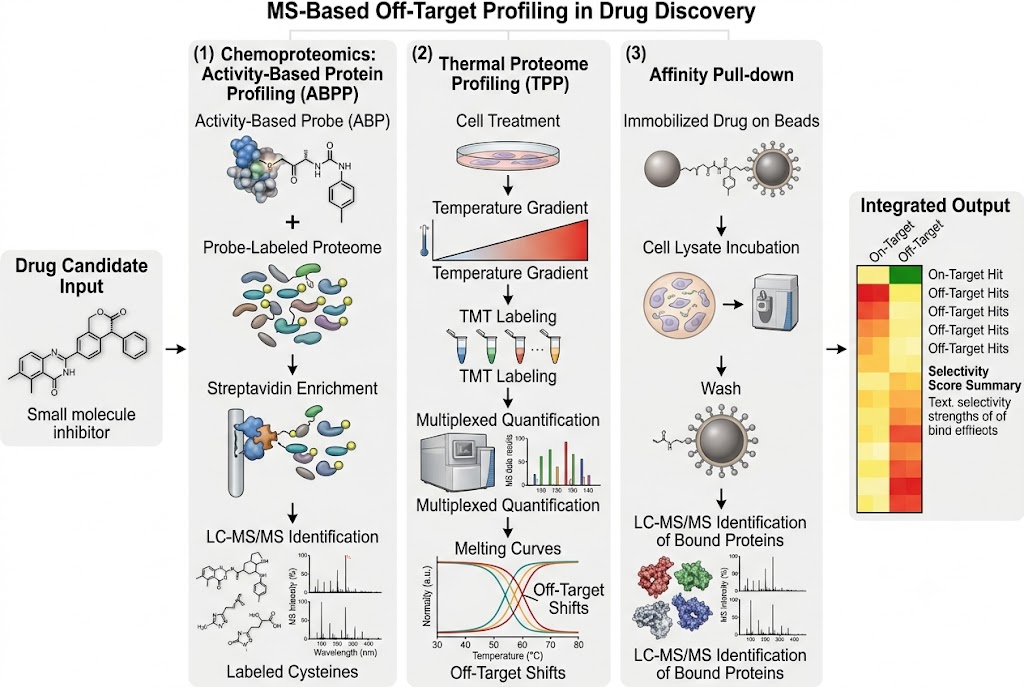
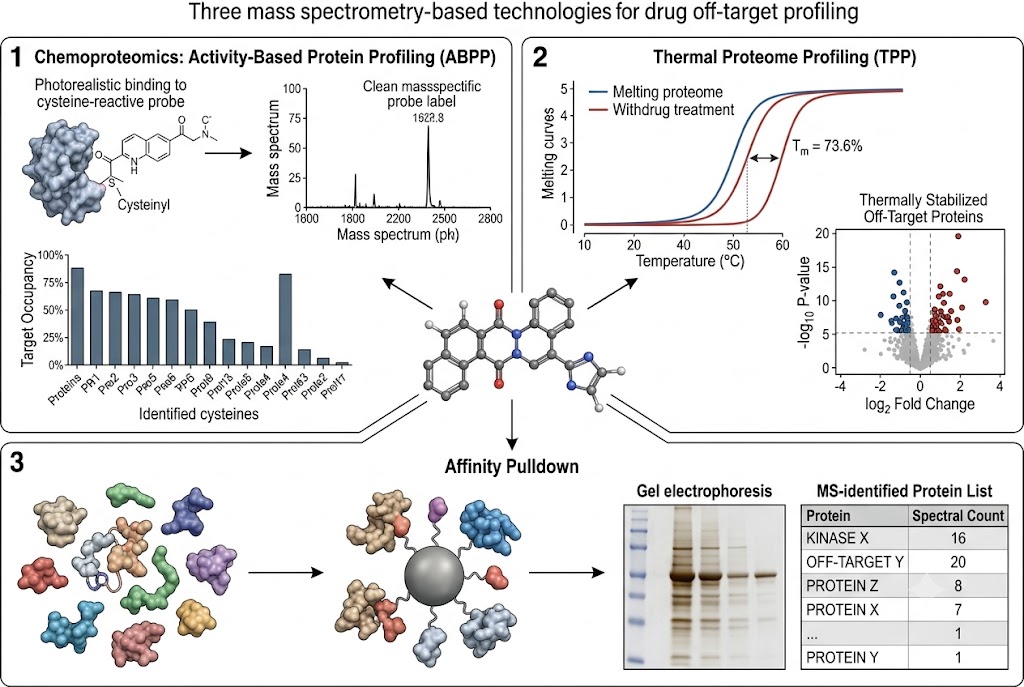
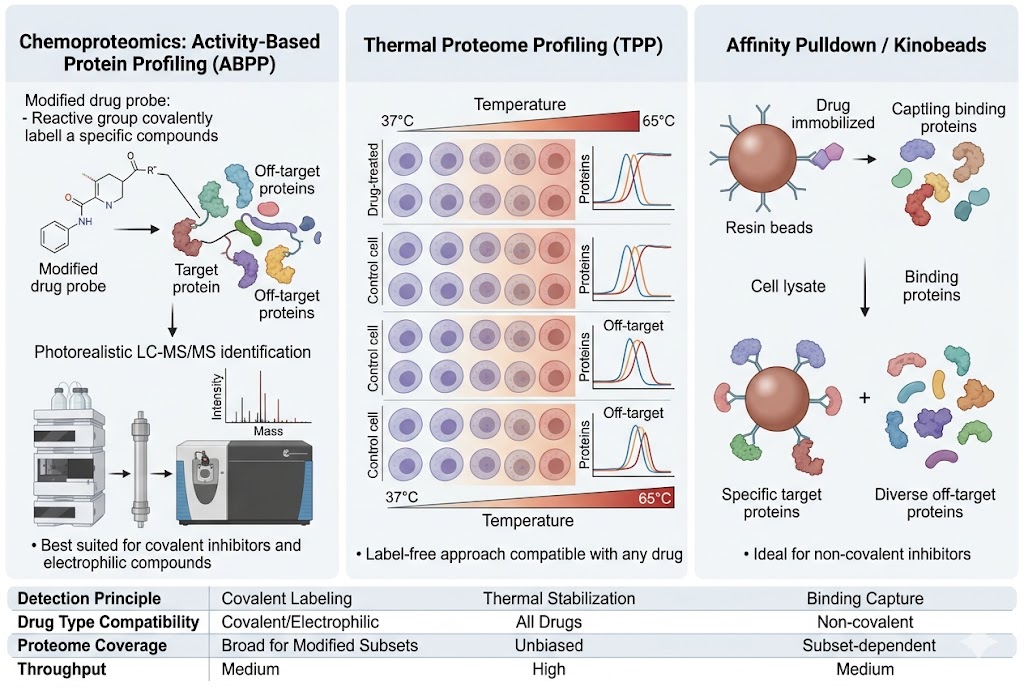
Understanding the full target landscape of a drug candidate — both intended and unintended protein interactions — is a critical component of preclinical development. Unanticipated off-target interactions can lead to mechanism-based toxicity, limit the therapeutic window, or, in some cases, reveal beneficial polypharmacology opportunities. Our Off-Target Profiling service deploys three complementary mass spectrometry-based platforms — chemoproteomics (activity-based protein profiling, ABPP), thermal proteome profiling (TPP), and affinity pull-down — to comprehensively map drug-protein interactions across the proteome, providing quantitative selectivity data that directly informs medicinal chemistry strategy and de-risks preclinical candidate selection.
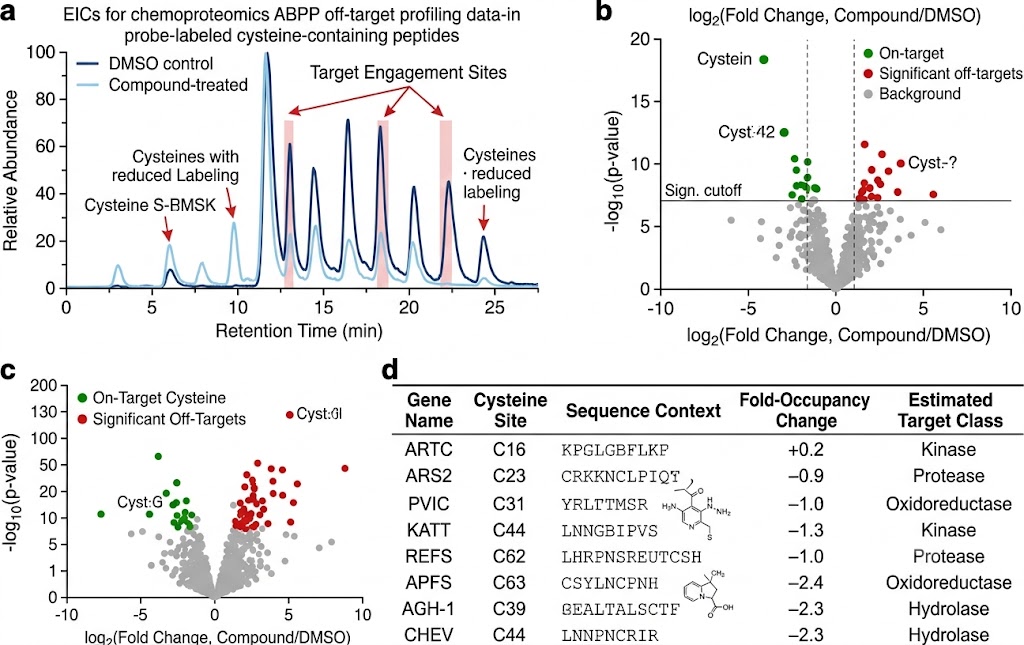
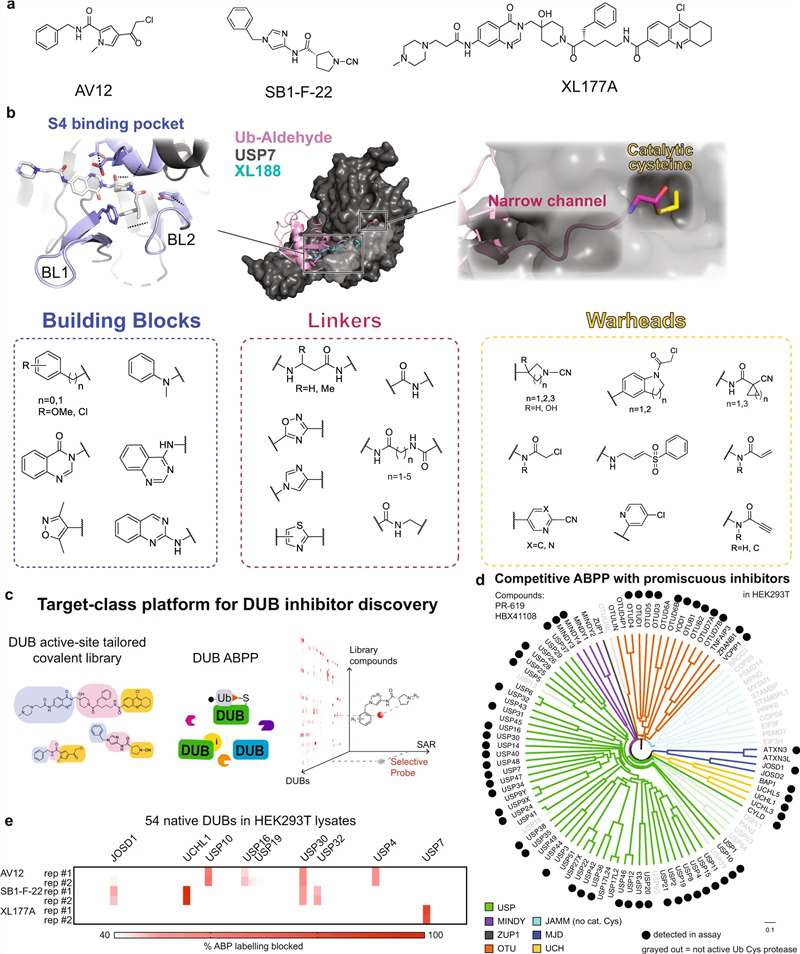
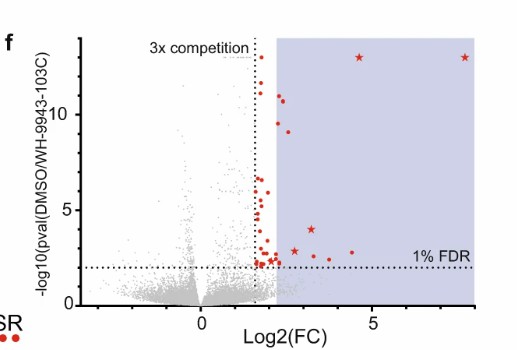
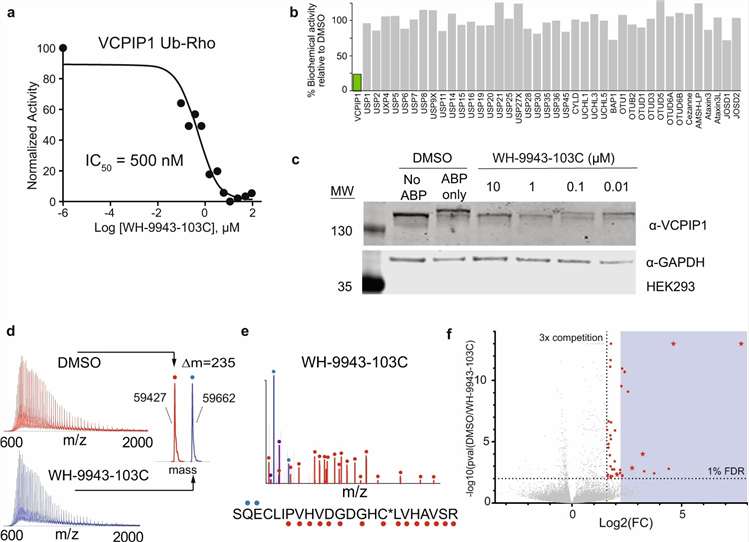
- Chemoproteomics ABPP Profiling: For covalent inhibitors and electrophilic compounds, activity-based probes or clickable photoaffinity probes enable direct, residue-level mapping of target engagement across the proteome. Isobaric labeling (TMT) and label-free quantification quantify probe labeling ratios across >20,000 cysteine-containing peptides, identifying both the intended target and off-target cysteine modifications with defined occupancy thresholds.
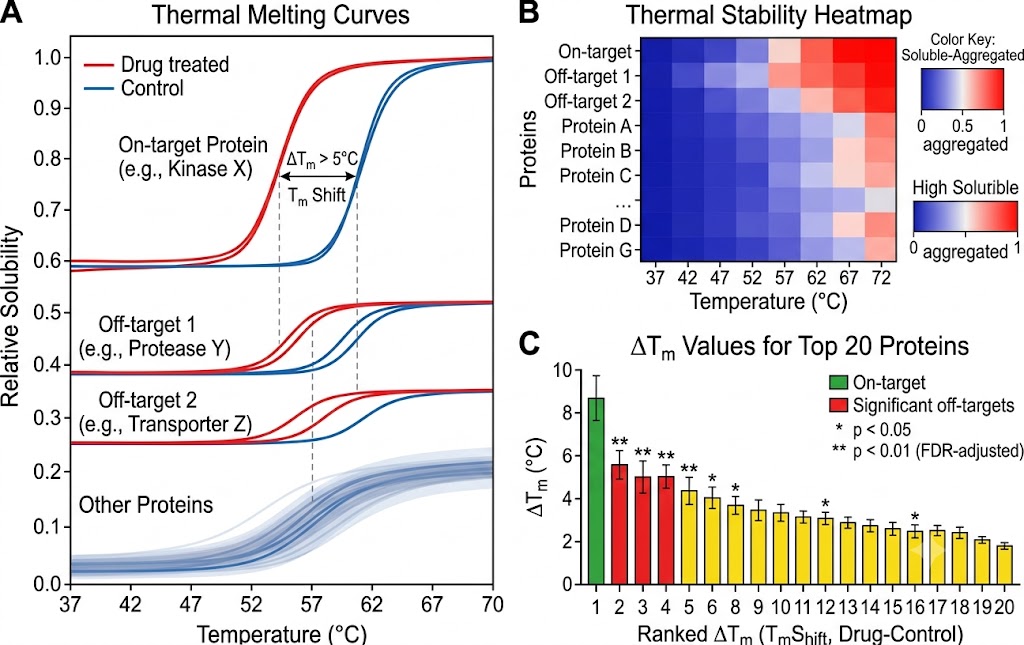
- Thermal Proteome Profiling (TPP): For any drug modality (covalent, non-covalent, stabilising, destabilising), TPP detects drug-induced changes in protein thermal stability across the proteome, providing an unbiased, label-free readout of cellular off-target binding. Multiplexed TMT acquisition enables 10- or 16-condition comparisons in a single experiment, with melt-curve fitting and ΔTm quantification for >6,000 proteins.
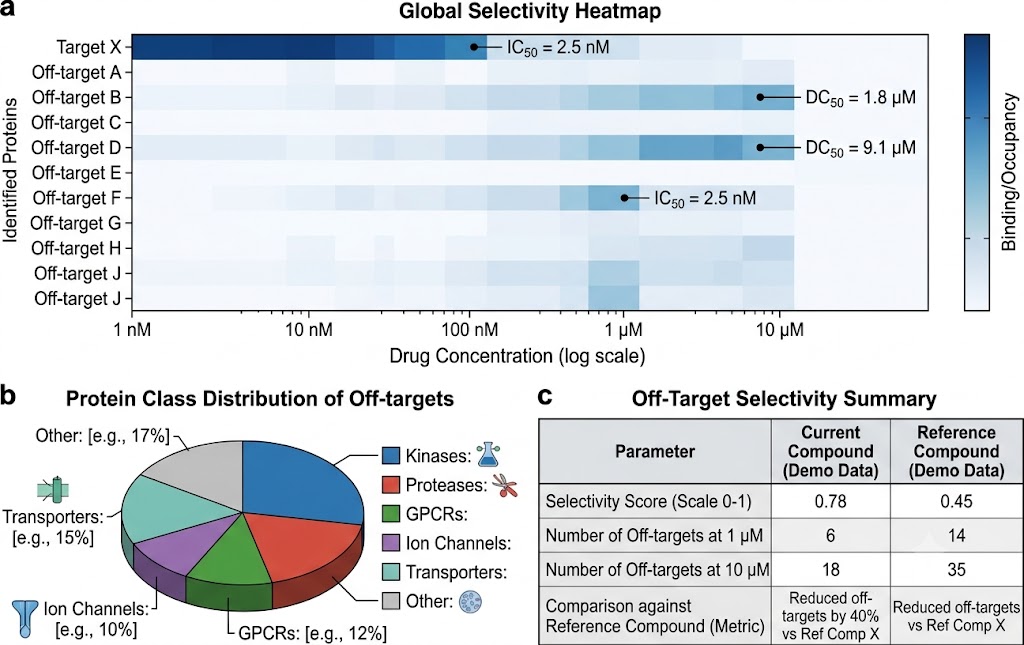
- Affinity Pull-Down & Kinobeads Profiling: For non-covalent inhibitors, immobilised drug or kinobeads-based affinity enrichment captures concentration-dependent binding proteins from native cell lysates, followed by LC-MS/MS identification and quantitative comparison against control beads to distinguish specific from non-specific interactions.